The Science of Clear Skin
Welcome to Clear Skin Science, your comprehensive resource for understanding acne from a scientific perspective. We believe that knowledge is the first step toward effective treatment. By understanding how acne develops at the cellular level, you can make more informed decisions about your skincare routine and treatment options. Our mission is to translate complex dermatological research into accessible, actionable information that empowers you to achieve your best skin. Whether you deal with occasional breakouts or chronic acne, understanding the science behind your skin condition is the foundation of effective management.
Understanding Pore Function and Acne Development
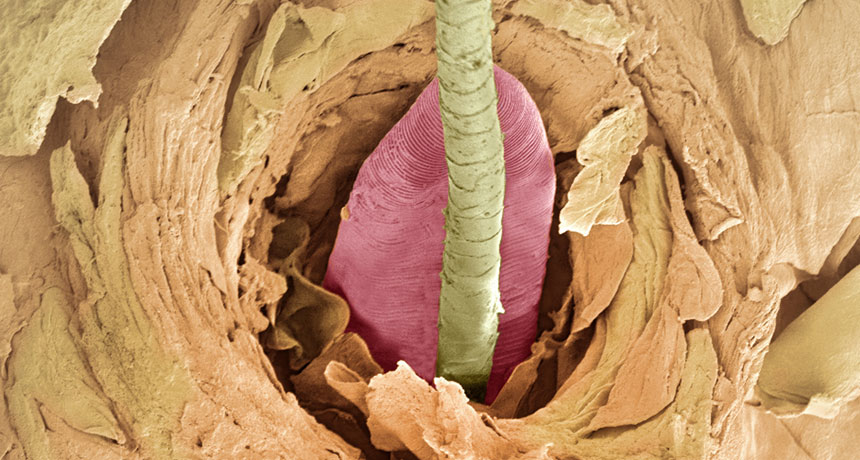
Pores are essential openings in your skin that allow sweat and oil to reach the surface. When these pores become clogged with excess sebum, dead skin cells, and bacteria, acne lesions can form. The microscopic view of skin pores reveals the complex structure of these openings, including hair follicles and sebaceous glands that play crucial roles in skin health. Understanding pore anatomy helps explain why certain areas of your face, chest, and back are more prone to acne breakouts.
The process of acne development involves a combination of factors including increased oil production, abnormal skin cell shedding, bacterial colonization, and inflammation. Each of these components offers potential targets for treatment interventions. By understanding which factors contribute to your specific type of acne, you can select treatments that address the root causes rather than just masking the symptoms.
Excess Sebum Production
During puberty, hormonal changes stimulate the sebaceous glands to produce more oil. This excess sebum can mix with dead skin cells and form plugs that block pores, creating the perfect environment for acne-causing bacteria to thrive.
Bacterial colonization
Propionibacterium acnes (now called Cutibacterium acnes) is a bacteria that normally lives on skin but can multiply rapidly in clogged pores. This bacterial overgrowth triggers inflammation and leads to the red, swollen lesions characteristic of inflammatory acne.
Inflammatory Response
When the body detects bacterial presence in clogged pores, it sends immune cells to fight the infection. This immune response causes the redness, swelling, and tenderness associated with papules, pustules, and cysts.
The Importance of Proper Hydration for Skin Health
Maintaining adequate hydration is crucial for healthy skin function and can significantly impact acne severity. When your skin is properly hydrated, the outer layer (stratum corneum) maintains its barrier function, preventing moisture loss and protecting against environmental irritants. Dehydrated skin, on the other hand, can trigger increased oil production as the skin attempts to compensate for moisture loss, potentially worsening acne.
Hydration works from the inside out as well. Drinking adequate water supports overall skin cell function and helps flush toxins from the body. Additionally, using humectant ingredients like hyaluronic acid in skincare products can draw moisture from the environment into the skin, helping maintain optimal hydration levels without adding oil that could contribute to breakouts.
The Role of Clean Skincare Routines
A consistent, gentle cleansing routine is fundamental to managing acne-prone skin. Regular cleansing helps remove excess oil, dirt, and dead skin cells that can contribute to pore clogging. However, it's important to use gentle, non-abrasive cleansers that won't strip the skin excessively, as this can trigger rebound oil production and compromise the skin barrier.
Building Your Acne-Fighting Skincare Routine
Creating an effective skincare routine for acne-prone skin requires understanding which ingredients target specific aspects of acne development. Salicylic acid works as a beta-hydroxy acid that penetrates pores to dissolve oil plugs and reduce congestion. Benzoyl peroxide kills acne-causing bacteria while also helping to reduce inflammation. Niacinamide, a form of vitamin B3, can help regulate oil production while improving skin barrier function.
The key to successful acne treatment is consistency and patience. Most acne treatments require eight to twelve weeks of regular use before significant improvements become visible. During this initial period, some users may experience a "purging" phase where existing breakouts appear to worsen as the treatment brings underlying congestion to the surface. Understanding this normal process helps users stay committed to their routines rather than abandoning effective treatments too soon.
Cleansing Basics
Cleanse twice daily with a gentle, pH-balanced cleanser. Avoid scrubbing aggressively, as this can irritate acne and worsen inflammation. Pat skin dry with a clean towel rather than rubbing.
Tone and Treat
Apply treatment products after cleansing but before moisturizing. Spot treatments containing benzoyl peroxide or salicylic acid can be applied to individual blemishes while leave-on treatments address overall acne.
Moisturize Daily
Even oily skin needs hydration. Choose oil-free, non-comedogenic moisturizers that won't clog pores. Look for lightweight gel-cream formulas that provide hydration without heaviness.